
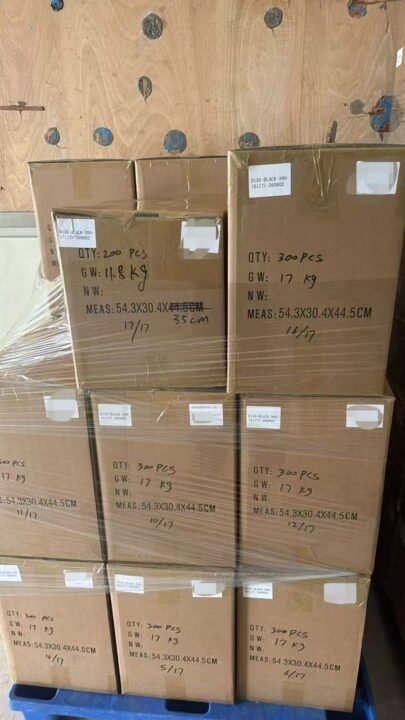
“Empty” describes the oil, not the device. Every rechargeable device still contains a lithium cell, and a lithium cell is what customs and carriers ask about. So here is exactly what we do provide, and what we do not.
What travels with the shipment
Battery shipments travel with UN38.3 test reports and an MSDS/SDS for the cell actually used. The report belongs to the cell, not to a generic “battery” claim, which is why we say “the cell actually used” deliberately.
UN38.3 battery shipping documents: who issues which file
The UN38.3 battery shipping documents split between two parties, and it helps to know which file belongs to which. The UN38.3 test report and the MSDS/SDS describe the cell, and they come from the cell supplier for the cell actually used in your device. The device level file (the commercial invoice, the packing list and the configuration description) is issued on the assembly side, and it has to name the same cell model as the report. If the two names do not match, the file set does not describe what ships.
Transport mode changes what is asked for. Air and sea shipments do not carry the same document set, and the carrier or your freight forwarder decides what it will accept on a given route. We state the documents we hold, and we say plainly when a forwarder’s request goes beyond them, instead of implying that a packing rule is already covered.
Two checks save time before a booking. First, confirm that the cell in your configuration matches the cell on the test report, because a report for a different cell does not describe your shipment. Second, confirm the configuration itself: changing capacity or cell changes the invoice description, and the paperwork changes with it.
Issued against your configuration
Battery paperwork is issued against the exact device and cell combination in your order. Different devices and different cells mean different paperwork; we do not send a single generic file and hope it matches. How the device itself is classified is a separate question, covered in our guide to customs classification for empty vape hardware.
The licence, and who holds it
The factories that build for us include the holder of a China Tobacco Monopoly Production Enterprise Licence (export scope), which formal export declaration requires. Pulse does not hold a licence in its own company name; production is licensed at our partner factories. When you need a copy for your file, we provide the copy the licence holder releases.
What we do not claim
We do not claim any specific lithium battery packing instruction for air transport; the documentation we hold does not support such a statement. We also do not file customs declarations in our own name — formal export declaration requires the licence the producing party holds.
The certificates that sit with the factory
Quality-management, cleanroom and material documentation — ISO 9001, ISO 13485 / GMP, RoHS / CE / FDA food-grade, heavy-metal screening — sits with the individual factories that hold it, and we pass on the copies they release for your file. In practice, day-to-day buyers ask for the licence copy and the battery transport documents, because those are what clearance needs. That paperwork is only one piece of the entry file; our guide to importing empty vape hardware into the US covers the rest.
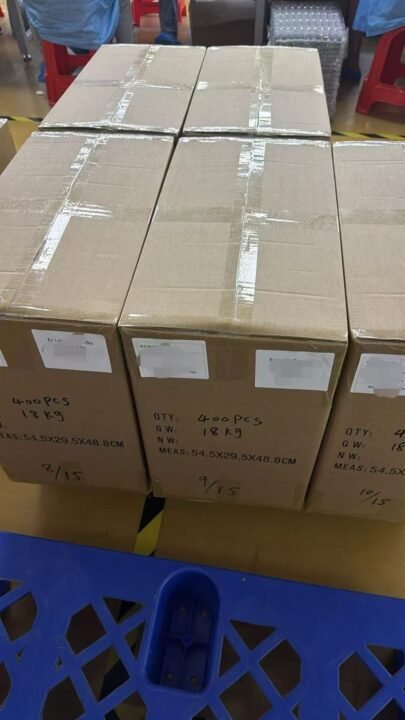
Third-party inspection
We welcome third-party pre-shipment inspection (SGS, QIMA, V-Trust) and will provide the China Tobacco Monopoly Production Enterprise Licence and the battery transport documents for your verification on request.
Finding out what applies to your configuration
When you send your device and cell configuration through /get-a-quote/, tell us which device and which cell you need, and we will list the documents that travel with that combination.