
Does empty vape hardware need FDA approval? There is no “approval” step to look for, because FDA does not approve tobacco products. For tobacco products, FDA grants marketing authorisation instead — through routes such as a Premarket Tobacco Product Application (PMTA) or a Substantial Equivalence (SE) report. So the useful question is not “approved or not approved”. It is this: does your item meet FDA’s definition of an ENDS component or part?
FDA answers that from the product’s design and its intended use — not from the word “empty” on your invoice. That call belongs to your importer of record and your customs broker. It is not ours to make.
FDA’s tobacco programme does not issue product approvals. It reviews applications and issues marketing orders. FDA makes the same point for consumers on its own page. It does not “approve” the products it regulates, and tobacco products are a clear example (FDA: Is It Really “FDA Approved”?).
That changes how you should ask the question. If someone tells you that empty hardware is “FDA approved”, the statement has no meaning in this product category.
What does a marketing order actually give you?
A marketing order is a permission to sell one specific product in the United States. It is granted after FDA reviews an application, and it does not cover other models (FDA: Tobacco Products Marketing Orders).
How does FDA decide whether your hardware is a component or a part?
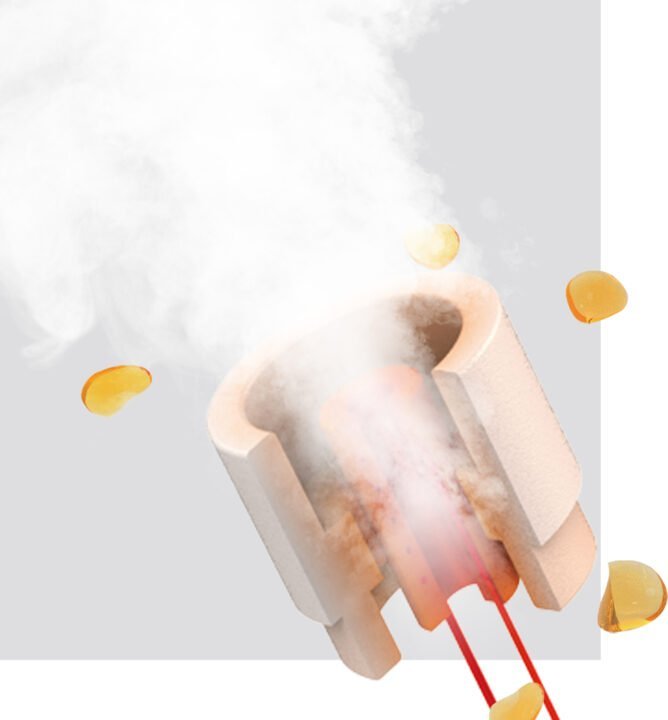
FDA’s tobacco authority covers finished ENDS products, and it also covers their components and parts (FDA: E-Cigarettes, Vapes and other ENDS). FDA’s own examples include atomisers, cartridges, tanks, coils, mouthpieces and certain batteries — the parts that make a device work.
Two facts decide where your item lands:
- Design. What does the item do? Does it heat a liquid into aerosol, or connect to something that does?
- Intended use. What is the item for? What do your catalogue, your product listing and your invoice say it is for?
An empty cartridge is still a cartridge. A plain outer shell, or a decorative piece that the device does not need in order to work, is a different case. This is why the word “empty” does not settle the question on its own — and why two shipments that look alike can end up in different places.
Why is “empty” not a safe assumption?
Do not assume your shipment sits outside FDA’s tobacco authority just because it holds no liquid. Do not assume that every item in the box sits inside it either. Both are guesses, and a wrong guess at the border is expensive.
The party who presents these facts to CBP and FDA is your customs broker, working for your importer of record. CBP sets out the entry process and the broker’s role in its own guidance (CBP: Basic Importing and Exporting).
We are the hardware supplier. We can describe exactly what we build, and we can give you the documents that support that description. We do not classify your entry, and we do not tell you what to declare. That work belongs to someone who can see your whole transaction.
Which documents come up first?
1. Battery transport documents. Empty vape hardware contains a lithium cell, so the shipment moves as battery goods. Battery shipments travel with UN38.3 test reports and an MSDS/SDS for the cell actually used. Battery paperwork is issued against the exact device and cell combination in your order. There is more detail on battery paperwork and customs documentation.
2. One consistent commercial description. The purchase order, the specification sheet and the commercial invoice should describe the same model in the same words. When the description changes between documents, the entry attracts questions.
3. The documents your broker asks for. Once an order is confirmed we provide the documentation your customs broker needs, and the authorisation your logistics provider requires to declare the shipment.
What does Pulse supply, and what sits elsewhere?
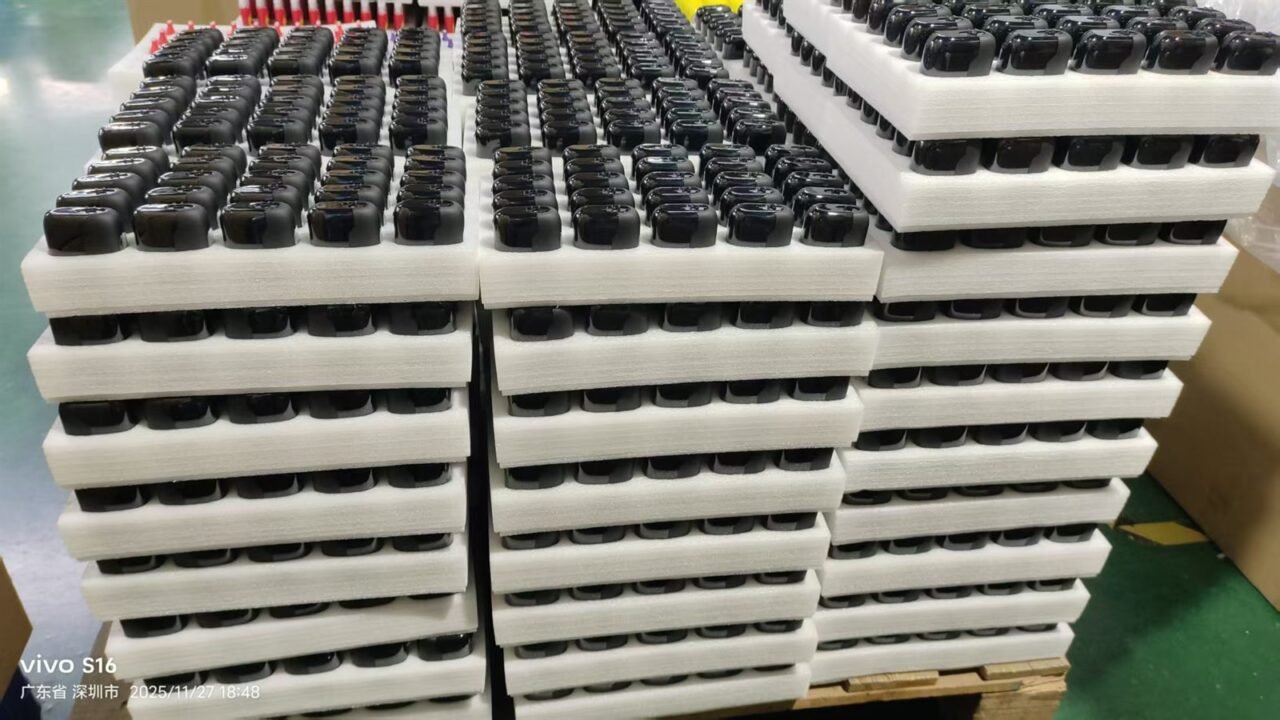
Our scope is narrow on purpose: Scope: empty vape hardware only. We do not supply, fill or sell oil, nicotine or e-liquid. The range is empty CBD vape hardware — ceramic-core disposable vape pens and 510-format hardware.
On the production side: The factories that build for us include the holder of a China Tobacco Monopoly Production Enterprise Licence (export scope), which formal export declaration requires.
On verification: We welcome third-party pre-shipment inspection (SGS, QIMA, V-Trust) and will provide the China Tobacco Monopoly Production Enterprise Licence and the battery transport documents for your verification on request.
Quality-management and material documentation is a separate layer. It sits with the factories that hold it:
Quality-management, cleanroom and material documentation — ISO 9001, ISO 13485 / GMP, RoHS / CE / FDA food-grade, heavy-metal screening — sits with the individual factories that hold it, and we pass on the copies they release for your file.
The holders of that documentation are the factories, not Pulse. If a customer needs those copies for a file, we pass on what the factories release.
What should you ask your customs broker?
Because the classification call is your broker’s, arrive at that conversation prepared. These five questions cover the usual ground:
- Will you present this entry as ENDS components or parts, or as something else — and which detail in the description drives that?
- Which document do you want to support it: the specification sheet, product photos, or the catalogue?
- Do you want the UN38.3 test summary and the MSDS/SDS filed separately from the commercial invoice?
- Should the entry separate complete devices from spare parts, or be filed as one line?
- What wording do you want on the invoice for hardware that ships with no liquid?
If you are still choosing a supplier, the same discipline works in reverse. Our guide on how to verify a Shenzhen vape factory lists what to ask for, and what the answers should look like.
Unauthorised tobacco products can be detained at the border without a physical examination. FDA has updated its import alerts to make that position clearer (FDA: import alert update on unauthorised e-cigarettes). Detention without examination means the shipment can stop before anyone opens a carton. That is why the description on your documents matters so much, and why we do not guess at the classification for you.
What is the short version?
- FDA does not approve tobacco products. It grants marketing authorisation through routes such as PMTA or SE.
- Whether your empty hardware is an ENDS component or part depends on its design and its intended use.
- Unauthorised tobacco products can be detained at the border without a physical examination.
- Your importer of record and your customs broker make the classification call.
- Pulse supplies empty hardware only, and provides the documents your broker needs once an order is confirmed.
This article describes how the rules work. It is not legal advice, and it is not customs advice for your specific shipment. For your entry, ask your broker. If you want the product facts and the paperwork from our side, the hardware-only CBD vape hardware page sets out what we supply and what we do not.